

The United States has claimed that its sanctions on Rosneft and Lukoil—two of Russia’s largest energy companies—are beginning to significantly reduce the revenue Moscow earns from its oil exports. According to the US Treasury, these sanctions are tightening financial pressure on Russia at a crucial stage of the Ukraine conflict, affecting not only sales volumes but also the prices at which Russian oil is being sold. With China and India being the biggest buyers of Russian crude since 2022, the impact of these measures is now being scrutinized worldwide.
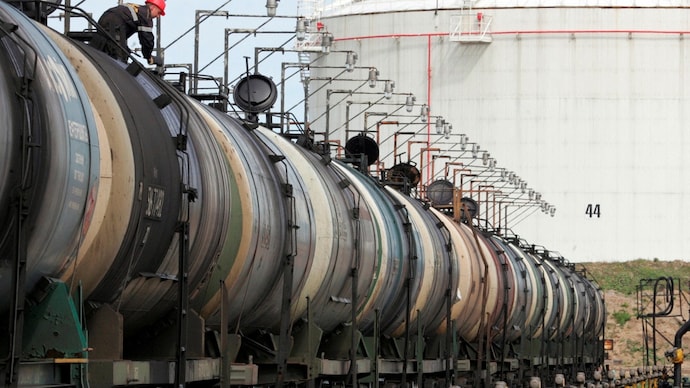
Understanding the Sanctions and Their Purpose
When Russia invaded Ukraine in 2022, several Western nations imposed heavy sanctions on Russia’s banking, trade, and energy sectors. Among these, one of the most important tools used by the US and its allies has been restricting the sale and transportation of Russian oil. The objective is straightforward: reduce the money flowing to Moscow and limit its ability to finance military operations.
The US specifically targeted Rosneft and Lukoil, Russia’s state-run and privately owned oil giants, respectively. Both companies are central to Russia’s energy economy, controlling a significant share of national production, exports, and refining infrastructure. Sanctioning them was meant to slow down Russia’s access to global markets, complicate its trade channels, and increase operational costs.
The US Treasury now says that this pressure is delivering results.
beelinemove.com | jayapokergacor.com | d-cigar.com
psangel.com | bridge-busan.com
How the Sanctions Are Affecting Rosneft and Lukoil
According to US officials, the sanctions are having a “two-layered effect”:
1. Reduced Selling Prices (the ‘price cap effect’)
Russia is being forced to sell oil at discounted prices because many of its traditional shipping, insurance, and logistics partners will not work with sanctioned companies. As a result, Russia must rely on:
-
costlier “shadow fleets,”
-
middlemen companies,
-
and unregulated traders,
which lowers its profit margins.
2. Lower Export Volumes
Even though China and India buy large amounts of Russian oil, the sanctions have caused:
-
shipment delays,
-
limited access to Western maritime services, and
-
complications in financial transactions.
This has slowed down Russian exports, further hurting revenues.
The US Treasury believes that both Rosneft and Lukoil are now facing structural challenges—not just temporary financial losses.
Russia’s Shift to Asia: A Lifeline With Limitations
Since Europe drastically cut its imports of Russian crude, Asia—and particularly China and India—has become Russia’s biggest market. India, which used to buy very little Russian oil before 2022, became one of the top buyers due to discounted prices. China, already a major importer, increased its purchases even further.
But the US argues that even this pivot cannot fully offset the revenue cuts.
Here’s why:
India’s and China’s Demands Come With Conditions
Both countries are price-sensitive buyers. They negotiate hard and take advantage of discounts. This means Russia must sell at lower-than-market prices just to keep trade flowing.
Higher Shipping Costs Reduce Profits
Without access to Western insurance networks and tankers, Russia has had to use older, riskier vessels. These ships are more expensive to operate and maintain. These additional costs eat into profits, even when export volumes remain high.
Financial Restrictions Slow Down Transactions
Many international banks avoid handling Russian oil payments due to compliance risks. This leads to delays, complex transaction chains, and additional financial losses.
US Position: Sanctions Are Working, But Pressure Will Continue
The US Treasury says it will continue strengthening sanctions to prevent Russia from using loopholes. Washington believes that keeping sustained pressure on Russian oil income is one of the most effective non-military tools to influence the outcome of the war.
US officials also highlighted the importance of preventing Russia from fully rebuilding reliable supply routes. The next steps may include:
-
tightening controls on shipping fleets,
-
imposing stricter penalties on violators,
-
and limiting access to global financial systems.
The US argues that Russia’s long-term energy revenues could decline if these policies remain in place.
Russia’s Response to the US Claims
Russia has dismissed the US comments, calling them political and misleading. Moscow maintains that:
-
oil exports remain stable,
-
revenue fluctuations are temporary,
-
and demand from Asian markets continues to grow.
The Kremlin argues that its economy has adapted to Western sanctions and that new partnerships with Asia, Africa, and the Middle East will ensure oil remains a strong source of income.
However, independent analysts and global energy reports do show a mixed picture. While Russia is still exporting large amounts of oil, its total earnings have dropped compared to pre-war levels due to discounts, operational expenses, and financial obstacles.
Impact on Global Oil Markets
Sanctions on major oil players like Rosneft and Lukoil naturally influence the broader global energy market. Here’s how:
1. Price Stability Despite Geopolitical Tensions
Surprisingly, oil prices have not surged uncontrollably. This is mainly because:
-
other producers (like Saudi Arabia and the US) have adjusted output,
-
global demand growth has been moderate,
-
and Russia still sells large volumes (though at lower profit).
2. Rise of the ‘Shadow Fleet’
The sanctions have created a new market of old, poorly regulated tankers operating outside Western oversight. This is a growing concern due to environmental and safety risks.
3. Shifts in Energy Alliances
Countries like India are now more deeply involved in Russian energy trade. This may reshape long-term diplomatic and economic alliances.
Why India and China Matter the Most
Today, these two nations are the backbone of Russia’s oil export system. Without them, Russia would face a much larger revenue crisis. But both countries maintain neutral positions and act in their own economic interest.
India, for example:
-
buys discounted Russian oil,
-
refines it,
-
and sells petroleum products globally—sometimes even to Europe.
China, meanwhile, secures long-term supply to support industrial growth.
This means that sanctions cannot fully stop Russian oil exports—but they can make them less profitable, which is exactly what the US wants.
Conclusion: A Long Game With Global Consequences
The US’s claim that sanctions are cutting into Russia’s oil revenue highlights a major aspect of the ongoing geopolitical contest. While Russia continues to sell oil, the economic pressure is unmistakable. Higher operational costs, price caps, restricted shipping options, and financial hurdles are slowing down revenue flow from companies like Rosneft and Lukoil.
However, as long as nations like India and China continue buying large quantities of Russian crude, Moscow will retain a substantial—though reduced—economic lifeline.
The overall impact is part of a long-term game, one that will continue shaping global politics, energy markets, and international alignments for years to come.
